Professional Conference

  • 3days
  • 16talks
  • 18speakers
  • 7countries
+11 Speakers

PatronageIt is a great honor for us that the First Lady of the Czech Republic, Mrs. Eva Pavlová, has assumed patronage over the conference.

Friday 6 November 2026

  1. 14:00 15:00
  2. 15:00 16:00
  3. 16:00 17:00
  4. 17:00 18:00
  5. 18:00 19:00

Saturday 7 November 2026

  1. 13:00 14:00
  2. 14:00 15:00
  3. 15:00 16:00
  4. 16:00 17:00
  5. 17:00 18:00
  6. 18:00 19:00

Sunday 8 November 2026

  1. 12:00 13:00
  2. 13:00 14:00
  3. 14:00 15:00
  4. 15:00 16:30
  5. 16:30 17:30

Programme subject to change.

Speakers

Friday 6 Nov · 14:00–15:00 60 min

From Fragmentation to Coordination: Building a European Framework for Cannabis Reform

Add to calendar

Friday 6 Nov · 15:00–16:00 60 min

Towards the Use of Cannabinoids as Anticancer Agents

Abstract

Department of Biochemistry and Molecular Biology, Complutense University, Madrid, Spain

A large body of evidence has shown that cannabinoids, in addition to their well-known palliative effects on some cancer-associated symptoms, can reduce tumour growth in animal models of cancer. The mechanism of cannabinoid anticancer action relies, at least largely, on the ability of these agents to stimulate autophagy-mediated cancer cell death. Moreover, the combined administration of cannabinoids and temozolomide produces a strong anticancer effect, which correlates with an intense activation of the signalling route that triggers the activation of cytotoxic autophagy. Research conducted in our group has also led to the identification of mechanisms of resistance to cannabinoid anticancer action. All these preclinical findings have facilitated the promotion of several clinical studies aimed at investigating the safety and efficacy of the combined administration of the cannabis-based medicines and temozolomide (TMZ) or TMZ and radiotherapy in GBM. IN this talk I will summarize these findings as well as the future perspectives of research in the cannabinoids and cancer field.

Add to calendar

Friday 6 Nov · 16:00–17:00 60 min

Patients Left Behind: Medical Cannabis Access in Europe and the Road to 2030 at the UN with the Cannabis Embassy

Add to calendar

Friday 6 Nov · 17:00–18:00 60 min

Medicinal Cannabis Against Inflammation and Aging Processes

Add to calendar

Friday 6 Nov · 18:00–19:00 60 min

Still Alive: Forty Years of Cancer, Cannabis and Change

Abstract

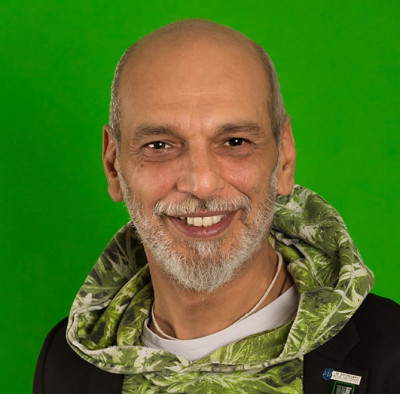
At 17, Hagit Yagoda was diagnosed with stage IV Hodgkin’s lymphoma and told she would probably die. The cancer returned twice more, and each time she relied on the one thing that had helped her through chemotherapy: cannabis. Determined to understand why, she studied the plant and its extracts, and became a certified cannabis chemist.

In 2013 she went on a hunger strike outside the home of Israel’s Minister of Health. It grew into a movement, and within two months thousands of patients received their first legal cannabis license. Today close to 150,000 people in Israel can receive a prescription, and Hagit treats patients of every age, from small children to a 96-year-old.

This talk is not a promotion of cannabis for its own sake, and not a campaign against doctors. It is an invitation to see that there is more than one way to treat an illness. Attendees will leave with a first-hand account of how regulation changed in one of the toughest countries to change it, and a new view of cannabis as medicine for healing, not only for pain relief.

Add to calendar

Saturday 7 Nov · 13:00–14:00 60 min

Progress in cultivation science for enhanced secondary metabolites and yield in cannabis

Add to calendar

Saturday 7 Nov · 14:00–15:00 60 min

African Landrace production of EU GMP compliant API - Project Thingo represents the Zulu Nations entry in the EU medical environment

Add to calendar

Saturday 7 Nov · 15:00–16:00 60 min

News from the FNUSA medical cannabis cultivation facility

Add to calendar

Saturday 7 Nov · 16:00–17:00 60 min

Can pediatric patients use THC?

Abstract

The lecture addresses the possibilities and limits of using cannabinoids in pediatric medicine with particular focus on tetrahydrocannabinol (THC). It begins with a brief introduction to the principal cannabinoids of cannabis, THC and cannabidiol (CBD), their pharmacological properties and the role of the endocannabinoid system in the human organism. Therapeutic effects of cannabinoids are then discussed, including their use in the treatment of epilepsy, autism, chemotherapy-induced nausea, and in palliative care. Significant attention is given to historical contributions of Czechoslovak research on medicinal cannabis and to the nutritional importance of hemp seeds.

The main topic of the lecture is the question of safety and justification for administering THC to children and adolescents. Current knowledge about brain development, which continues approximately until 25 to 30 years of age, and about possible risks of early THC exposure are summarized. Potential adverse effects include impairments of attention, memory, cognitive development, emotion regulation, and an increased risk of certain psychiatric complications in predisposed individuals. At the same time, situations are presented in which THC may be beneficial under strict medical supervision, for example in severe chemotherapy-induced nausea and vomiting, in selected cases of palliative care, or exceptionally within compassionate use programs.

The lecture emphasizes that THC is not a commonly used pediatric medication and should be considered only after standard therapeutic approaches have failed. For a number of conditions, especially pharmacoresistant epilepsies, the preferred cannabinoid is CBD, which lacks THC’s psychoactive effects. In conclusion, it is stated that the benefits of THC in pediatric patients are limited to narrowly defined clinical situations, while potential risks to the developing nervous system require maximal caution, individualized assessment, and long-term patient monitoring.

Keywords: cannabis, THC, CBD, pediatrics, epilepsy, autism, palliative care, brain development, endocannabinoid system, medicinal cannabis.

Add to calendar

Saturday 7 Nov · 17:00–18:00 60 min

Cannabinoids in cancer treatment — beyond palliative care and between symptomatic and curative therapy

Add to calendar

Saturday 7 Nov · 18:00–19:00 60 min

Medicinal Cannabis in Integrative Dentistry for Oncology Patients

Abstract

Thematic Area: Integrative Medicine - Oncology and Dentistry

Presentation Preference: Oral Presentation

Title: Medicinal Cannabis in Integrative Dentistry for Oncology Patients
Title (English): Medicinal Cannabis in Integrative Dentistry for Oncology Patients

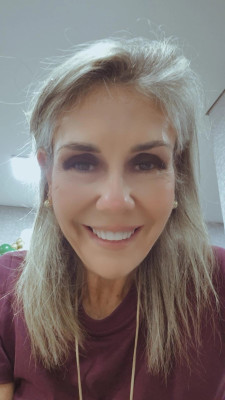
Authors: Cynthia De Carlo1 (Cyndi@hydra.com.br)
Affiliations: 1Professor at Sechat Academy, Inspiralli, Vigo-Mandic, Unileya, Plenitude Educação, SBOSI Postgraduate Program; Member of SBEC and SBED; Prescriber of Medicinal Cannabis for Cannopy Growth and Unifesp

Abstract:
Cancer patients undergoing chemotherapy and radiotherapy often experience severe oral complications such as mucositis, pain, inflammation, and impaired nutrition, which compromise treatment adherence and quality of life. Integrative dentistry seeks to combine conventional oral care with complementary therapies to restore systemic balance and improve patient outcomes. Medicinal cannabis, containing cannabinoids such as cannabidiol (CBD) and tetrahydrocannabinol (THC), has emerged as a promising adjunctive therapy due to its analgesic, anti-inflammatory, anxiolytic, and appetite-stimulating properties.

This study hypothesizes that medicinal cannabis can reduce oral pain, inflammation, and mucositis in oncology patients, thereby decreasing opioid reliance and enhancing recovery. The objective was to evaluate cannabis-based interventions as part of integrative dental care for oncology patients. Methods included reviewing clinical cases and preclinical evidence on cannabinoid pharmacology, administration routes (oral, sublingual, topical, inhalation, suppositories), and therapeutic outcomes in oral oncology care. Results demonstrated that cannabis therapy improved pain control, reduced mucositis severity, enhanced appetite, improved sleep, and supported emotional wellbeing. In refractory oral mucositis cases, cannabis showed superior symptom control compared to conventional treatments, allowing continuity of cancer therapy.

Conclusions highlight that medicinal cannabis, when used under clinical supervision as an adjunct to standard oncology treatments, provides significant benefits in symptom management, quality of life, and functional recovery. While preclinical studies suggest antitumor potential, robust human trials are still needed to validate these effects. Integrative dentistry incorporating medicinal cannabis offers a holistic approach to oncology care, bridging oral health with systemic wellbeing.

Keywords: medicinal cannabis, integrative dentistry, oncology, oral mucositis, cannabinoids, pain management

Add to calendar

Sunday 8 Nov · 12:00–13:00 60 min

Europe, Don’t Copy California: What Legalization Got Wrong and How to Build Better

Abstract

California helped change the global conversation about cannabis. Its experience also raises a harder question: who gets to shape the industry after legalization?

Drawing on more than 20 years in cannabis, Luna Stower examines corporatization, the loss of collective power, and the gap between promises of inclusion and meaningful participation. Building on her Love Is Lucrative presentation, she argues that care must shape ownership, workplace decisions, patient access and industry advocacy.

This talk explores how European communities can learn from California while responding to their own histories and legal systems. It proposes practical ways to strengthen coalitions, fund ongoing advocacy, protect small producers, and give patients and workers a voice in decisions that affect them. The goal is to move from goodwill to durable commitments that can survive changes in leadership and investment.

Attendees will leave with questions to apply to any emerging cannabis framework: whose rights are protected, who controls decisions, and who shares in the economic benefits?

Add to calendar

Sunday 8 Nov · 13:00–14:00 60 min Panel discussion

Development of Legislation Regulating Psychotropic and Psycho‑modulatory Substances in the Czech Republic: Lawmakers' Intent vs. Practice in 2026

Add to calendar

Sunday 8 Nov · 14:00–15:00 60 min

Ongoing situation on drug policy reform in EU

Abstract

After Malta, Luxembourg and Germany, Czech Republic joined the leading "reformer" countries that are attempting to build a new legal regulation framework to tackle the so called "drug problem". What are the first lessons learnt? What can be duplicated elsewhere and what should be avoided?

ENCOD is promoting "Cannabis Social Clubs" model, drug policies based on science and human rights. How can we achieve it?

Add to calendar
Add to calendar

Sunday 8 Nov · 16:30–17:30 60 min

Learning from Barcelona’s Cannabis Social Clubs: From Self-Organization to the Lab

Abstract

Since 1991, Barcelona’s Cannabis Social Club (CSC) movement has established a globally recognized and self-organized model for cannabis dispensing. Serving as a crucial hub for understanding user needs and rights, CSCs represent a community-driven approach to harm reduction and access to cannabis ahead of laws and regulations.

Over the past five years, Allora Labs has contributed to this self-regulatory framework within an unregulated landscape. By integrating analytical lab testing into CSC practices, Allora Labs bridges modern scientific analysis with traditional cannabis use. This evidence-based approach helps establish tailored best practices to resolve specific operational and safety challenges within the CSC movement.

Add to calendar

GENERAL SPONSORS


SPONSORS


OFFICIAL BREWERY OF THE TRADE FAIR


MEDIA PARTNERS